
Key takeaways
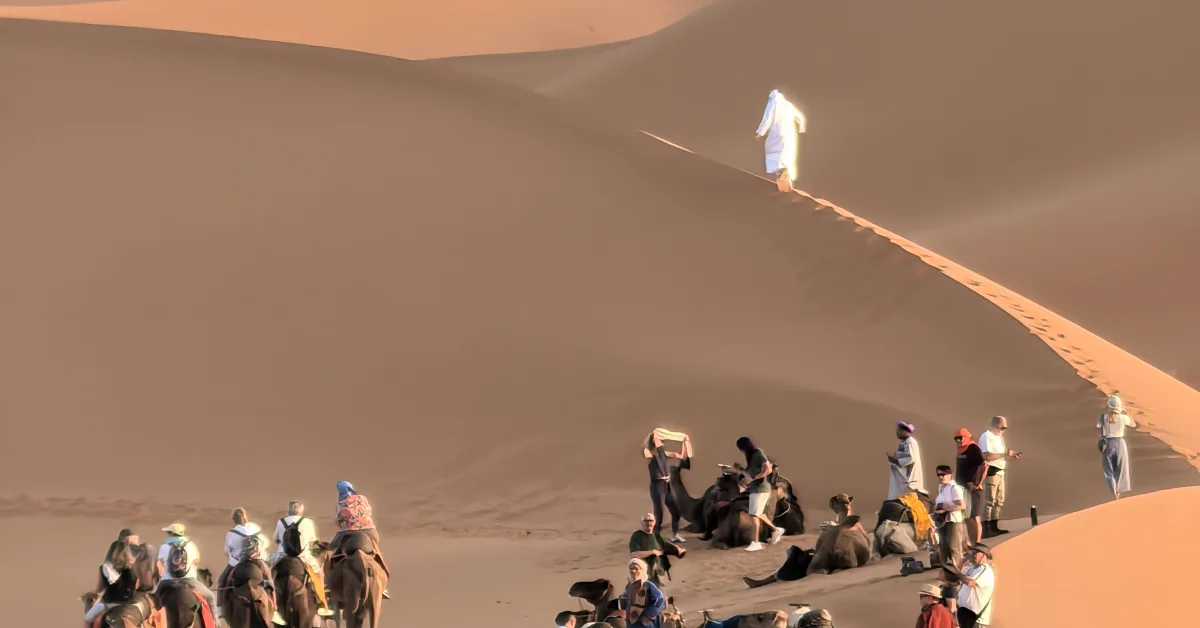
- Spring (March to May) and autumn (October to November) are the best times to visit the Sahara Desert in Morocco, with warm days and mild nights for camel trekking.
- In Zagora, near Erg Chigaga, July average highs reach 107°F (41.7°C), making midsummer treks difficult (Weather Spark, 2026).
- Winter nights can drop to about 40°F (4.4°C) in Zagora, so a warm layer is essential at a desert camp (Weather Spark, 2026).
- Low rainfall and dry air give the Moroccan Sahara clear, dark skies, making stargazing excellent across most of the year.
The best time to visit the Sahara Desert in Morocco is spring (March to May) and autumn (October to November). In those windows the days are warm enough to enjoy without the summer furnace, and the nights stay mild enough to sleep comfortably at a desert camp. This guide walks through the weather month by month in Merzouga and Erg Chigaga, so you can plan a camel trek around the conditions you actually want.
How Does Weather Change Month by Month in Merzouga and Erg Chigaga?
Merzouga and Erg Chigaga share a desert climate, but they do not feel the same every month. In Zagora, the gateway to Erg Chigaga, July average highs climb to 107°F (41.7°C), while the January average low sits near 40°F (4.4°C) (Weather Spark, 2026). That is the full swing you plan around.
Here is the practical shape of the year:
- December to February: Warm, pleasant days around 60 to 68°F (16 to 20°C). Cold nights. Fewer crowds.
- March to May: The sweet spot. Comfortable days, mild evenings, clear light.
- June to August: Very hot. In Zagora the hot season runs about 3.2 months, from June 4 to September 11, with daily highs above 99°F (37.2°C) (Weather Spark, 2026).
- September to November: Heat eases through September, then autumn settles into ideal trekking weather.
Erg Chigaga sits deeper in the south, so it tends to feel a touch warmer at night than Merzouga. Merzouga runs on a similar rhythm, with bitter-cold January nights and blistering July afternoons. Both dunes reward the same months.
Why Are Spring and Autumn Ideal for Camel Treks?
Spring and autumn win because they balance two things a camel trek needs: daytime warmth you can walk and ride in, and night air you can sleep in. A midday ride in October feels like an adventure. The same ride in July feels like an endurance test, which is why most operators shift summer departures to sunrise and sunset only.
In spring, days typically run a comfortable 77 to 93°F (25 to 34°C) with nights around 50 to 64°F (10 to 18°C). Autumn behaves much the same once September's heat fades. You get long, clear light for photos on the dunes, warm sand underfoot, and evenings cool enough to enjoy mint tea by the fire rather than hiding from the heat.
These shoulder seasons also line up with how most travelers build a wider trip. Many visitors combine the desert with northern highlights like the Chefchaouen Travel Guide: Morocco's Blue City, and the mild months make that kind of mixed itinerary far easier on the body.
If you want a ready-made route, the 4 Day Desert Tour From Marrakech: Itinerary & Guide shows how a spring or autumn trek fits around travel days and overnight stops.
What Should You Expect From Summer Heat and Winter Nights?
Summer heat and winter nights are the two conditions that catch travelers off guard. Summer is about surviving the day; winter is about surviving the night. In Zagora, the hot season holds daily highs above 99°F (37.2°C) for roughly a quarter of the year (Weather Spark, 2026), and the open dunes offer almost no shade.
Summer visits still happen, and they can work. The trick is timing. Ride and walk at dawn, rest through the brutal midday hours, then head back out as the sun drops. Drink far more water than feels natural. Cover your head and arms rather than stripping down.
Winter flips the problem. The days are genuinely lovely, often sunny and mild, but once the sun sets the temperature falls fast. With a January average low near 40°F (4.4°C) in Zagora (Weather Spark, 2026), and open desert that can feel colder still, a warm jacket and a hat are not optional. Desert camps stock thick blankets, but your own layers make the difference between a magical night and a sleepless one.
How Do the Seasons Affect Dune Colors and Stargazing?
Seasons shape both what you see by day and what you see at night. The Moroccan Sahara is extremely dry, with only a thin scattering of rain across the whole year. That dryness keeps the air clear, which matters for color and for stars.
Dune color shifts with the angle of the light more than the calendar. The sand turns deep orange and gold at sunrise and sunset, and those low-angle hours are longest and most forgiving in spring and autumn. Midsummer light is harsher and flatter at midday, so the richest tones still come early and late.
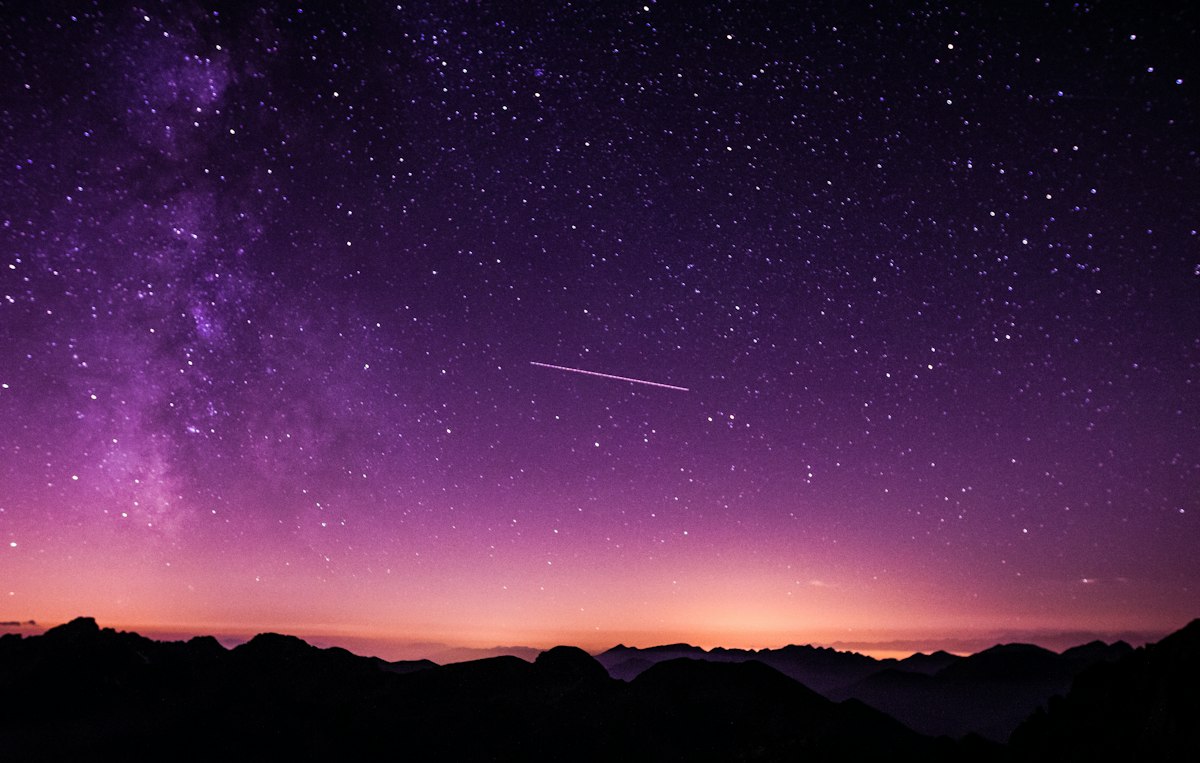
Stargazing is a year-round strength here. Low rainfall and dry air mean most nights are clear and dark, far from city glow. The question is comfort, not visibility. In spring and autumn you can lie back on the cooling sand and watch the Milky Way without freezing or sweating, which is why those seasons draw the most night-sky travelers.
How Do You Plan the Best Time to Visit the Sahara Desert in Morocco?
Plan around the season first, then the route. If you want the easiest conditions, aim for April, May, October, or November and book your desert nights in that window. If your dates are fixed in summer or winter, adjust how you move rather than skipping the desert.
A few planning rules that hold up well:
- Match the month to your tolerance. Heat-sensitive travelers should avoid July and August. Light sleepers who feel the cold should pack layers for winter nights.
- Build in a travel buffer. The dunes sit far from the big cities, so give yourself real driving time rather than rushing an overnight.
- Mind the diurnal swing. The gap between day and night can be large in the desert, so pack for two climates in one day.
This is where a guided operator earns its place. Ibratraveltours runs multi-day guided desert and grand tours from Fes, Marrakech, Casablanca, and Tangier, which means the driving, camp bookings, and trek timing are handled around the season you choose. For travelers who do not want to piece together transport and camps across hundreds of miles, that structure turns a complicated logistics puzzle into a straightforward trip.
It also helps with the weather itself. A guide who runs the route every week knows when to start the camel trek so you reach the top of the dunes for sunset, and when to wake you for the dawn light. That local read on timing is hard to replicate from a spreadsheet at home. In the hot months it can be the difference between a safe ride and heat exhaustion, and in winter it means your camp is set up with enough blankets before the temperature drops after dark.
Think about how the desert fits your wider plans too. Most travelers reach Merzouga or Erg Chigaga as part of a longer loop through Morocco, so your desert dates need to line up with city stays, mountain passes, and travel days. Spring and autumn give you the widest margin for error, because a hot afternoon or a cold night is still manageable rather than extreme.
Your next step is simple: pick a spring or autumn week if you can, decide whether Merzouga or Erg Chigaga fits your route, and lock in your desert camp before the shoulder-season dates fill. Choose the month well, and the Sahara does the rest.
Frequently asked questions
What is the best month to visit the Sahara Desert in Morocco?
April, May, October, and November are the strongest months. Days are warm but not punishing, and nights stay mild enough for comfortable camping at a desert camp near Merzouga or Erg Chigaga.
Is it too hot to visit the Sahara in summer?
Midsummer is hard going. In Zagora, July average highs reach 107°F (41.7°C) (Weather Spark, 2026). You can still visit in July and August, but treks run at dawn and dusk to avoid midday heat.
How cold does the Sahara get at night in winter?
Cold enough to need a warm layer. Zagora January average lows fall to about 40°F (4.4°C) (Weather Spark, 2026), and open desert can feel colder. Camps provide thick blankets, but pack a jacket.
When is the best time for stargazing in the Moroccan Sahara?
Most clear nights work well because rainfall is very low and the air is dry. Spring and autumn pair dark skies with comfortable temperatures, so you can sit out without freezing or overheating.